I’m a counselor, counselor supervisor, and parenting facilitator/coordinator passionate about mental health — especially when it comes to helping families navigate coparenting. My focus is on reducing the stress and conflict that can impact both adults and children. Subscribe and join over 1,000+ newsletter readers each week.
Your Window of Tolerance might be smaller than you think.
|
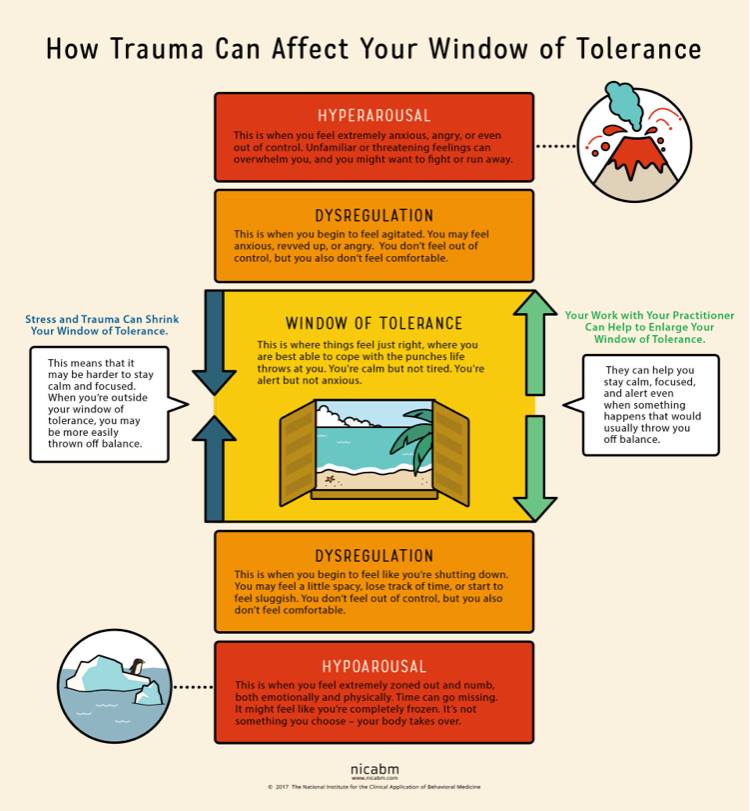
Welcome to the latest edition of The Reset Room, where you will receive tips, strategies and insights about all things mental health with a focus on ways to do a reset on some of the things in your life that may be leading to distress. Over the past couple of weeks, we’ve been building something — whether you realized it or not. First, you were invited to notice negativity. Then last week, we talked about how repeated thoughts quietly become patterns — and how those patterns begin shaping your relationships, your reactions, and the way you move through your day to day life. If you found yourself thinking: This week is your answer. Because here’s the missing piece most people never learn: Your nervous system gets involved before your logic does. And when your nervous system is overwhelmed, insight alone won’t change the cycle. 🪟 The Window of Tolerance (the missing why)
Your Window of Tolerance is the range where your body and brain can work together. When you’re inside your window, you can:
When you’re outside your window, your nervous system shifts into protection mode:
This is why you can know better — and still respond in ways you later regret. It’s not a lack of insight. 🌱 A moment from the therapy roomI worked with a client who kept saying, Certain interactions — particular tone, particular words — sent their body into instant activation:
By the time logic arrived, the conversation was already off track… and the self-criticism followed. What helped wasn’t trying harder to “stay calm.” What helped was learning how to widen their Window of Tolerance — so their nervous system stopped interpreting familiar stress as danger. 🧠 Why this matters for thoughts & patternsHere’s where this ties directly to last week. When your window is small, your thoughts get repetitive. Over time, those repeated thoughts quietly turn into:
You don’t break those patterns by thinking harder. You break them by helping your nervous system feel safe enough to think differently. 🌤️ The hopeful part (don’t skip this)Your Window of Tolerance is not fixed. It can widen. That means:
Progress doesn’t mean never leaving your window. That’s real growth. 🎥 A helpful visual explanationIf you’re a visual learner, this short video explains the Window of Tolerance in a clear, relatable way: 👉 "Window of Tolerance: How to Identify and Stay in Your Window" It does a great job explaining and describing how your body reacts. 👇🏻Read the Coparenting Reset or move to the end for the Final Reset Challenge👇🏻 🤍 A Coparenting Reminder (worth slowing down for)Coparenting is one of the fastest ways to push people outside their Window of Tolerance — even when they’ve done a lot of personal work. Why? Because coparenting often involves:
When your nervous system senses threat — not danger, but emotional threat — it doesn’t ask whether your response is best for your long-term goals. It asks one thing: “How do I protect myself right now?” That’s when:
Reacting from that place doesn’t mean you’re failing at coparenting. The goal isn’t to never get activated. 🌱 This Week’s Reset: Visualizing a Wider WindowInstead of focusing on what you want to stop doing, try this visualization exercise: Step 1: Picture your current windowImagine your Window of Tolerance as it is right now.
You don’t need to judge it. Step 2: Choose one recent situation that challenged you
Picture your window in that one area. Step 3: Imagine it growing — just a littleNot dramatically. Just a small expansion. Ask yourself:
That’s what growth actually looks like. 🌤️ Moving forwardYou don’t widen your Window of Tolerance by forcing yourself to “handle it better.” You widen it by:
Even a slightly wider window changes everything. 🌱 A look ahead to next week… As you think about your Window of Tolerance this week, you may notice a quiet thought show up: “Of course my window is small… look at who I’m dealing with.” Next week, we’re going to gently but honestly explore that belief — and the difference between being activated by others and being responsible for your own window, even when circumstances don’t change. We’ll talk about why waiting for someone else to be safer keeps your nervous system stuck… If you’ve ever felt like your growth depends on someone else changing first, 💬 Want to take this one step further?If you’re open to it, hit reply and tell me:
You don’t need perfect words. I read every reply — and your responses help shape what we explore next. 🤍 🌿 Until next time…Be patient with your nervous system. Talk soon, |
Tina Souder, M.Ed., LPC-S
I’m a counselor, counselor supervisor, and parenting facilitator/coordinator passionate about mental health — especially when it comes to helping families navigate coparenting. My focus is on reducing the stress and conflict that can impact both adults and children. Subscribe and join over 1,000+ newsletter readers each week.
Welcome to the latest edition of The Reset Room, where you will receive tips, strategies and insights about all things mental health with a focus on ways to do a reset on some of the things in your life that may be leading to distress. ✅Last week we talked about the danger of holding others to our internal standards. How easy it is to think: “If I would handle it this way… they should too.” And when they don’t — we feel disappointed. That conversation was about unrealistic expectations. This...
🌿 Welcome to The Reset Room If you’re new here — welcome.Each week we do a small reset that quietly strengthens how we show up in our lives and relationships with a little add-in for coparents. Last week we talked about blame and taking responsibility. This week is the next layer: What happens when we stop blaming… but then we keep expecting? 🌟 A Story From the Therapy Room I have worked with clients who have extremely high standards for themselves. One in particular is coming to mind: If she...
🌿 Welcome back to The Reset Room If you are new here, you will receive tips, strategies and insights about all things mental health with a focus on ways to do a reset on some of the things in your life that may be leading to distress. ✨ This Week’s Reset: Your Window, Your Work “He who blames others has a long way to go on his journey;He who blames himself is halfway there;He who blames no one has already arrived.” At first glance, this proverb can feel uncomfortable. Because many of us...